

Flagship evaluation program
Infrastructure Intelligence: every pipe graded
Advanced diagnostic technology that reveals hidden infrastructure risks before they become costly failures.
At a glance
Before any work begins
Our evaluation program: the system is mapped, inspected by camera, and every pipe section is graded 1 to 5, weighted by system risk, and turned into a prioritized action plan.
- Inspect
- CCTV camera
- Code
- PACP standard
- Grade
- 1 to 5 scale
- Plan
- Prioritized
Evaluation first
Scope set by the study
Across the business roughly one in four evaluation studies leads to rehabilitation.
Where the study set the scope
- 3,200 ftof piping surveyedBritish EmbassyThe survey came first, so the rehabilitation was scoped to the 823 feet of failed liner it found.Read the case study
- 70vertical riser stacks linedPromenade TowersA riser evaluation survey, a two-stack pilot, then 70 vertical riser stacks lined across two 18-story towers.Read the case study
- 4National Park Service sitesWashington DC National ParksEach site began with an evaluation of the pipe system, so the scope was set by what the study found.Our National Parks work
The method

01/ 05Challenge
The Hidden Problem
Every building has a plumbing system. And most of them are in worse shape than anyone knows.

02/ 05Approach
System Mapping
Before we touch a single pipe, we map the whole system.
LiDAR scanning builds a precise digital model of every line, every connection, every potential failure point.
03/ 05Investigation
Inside the System
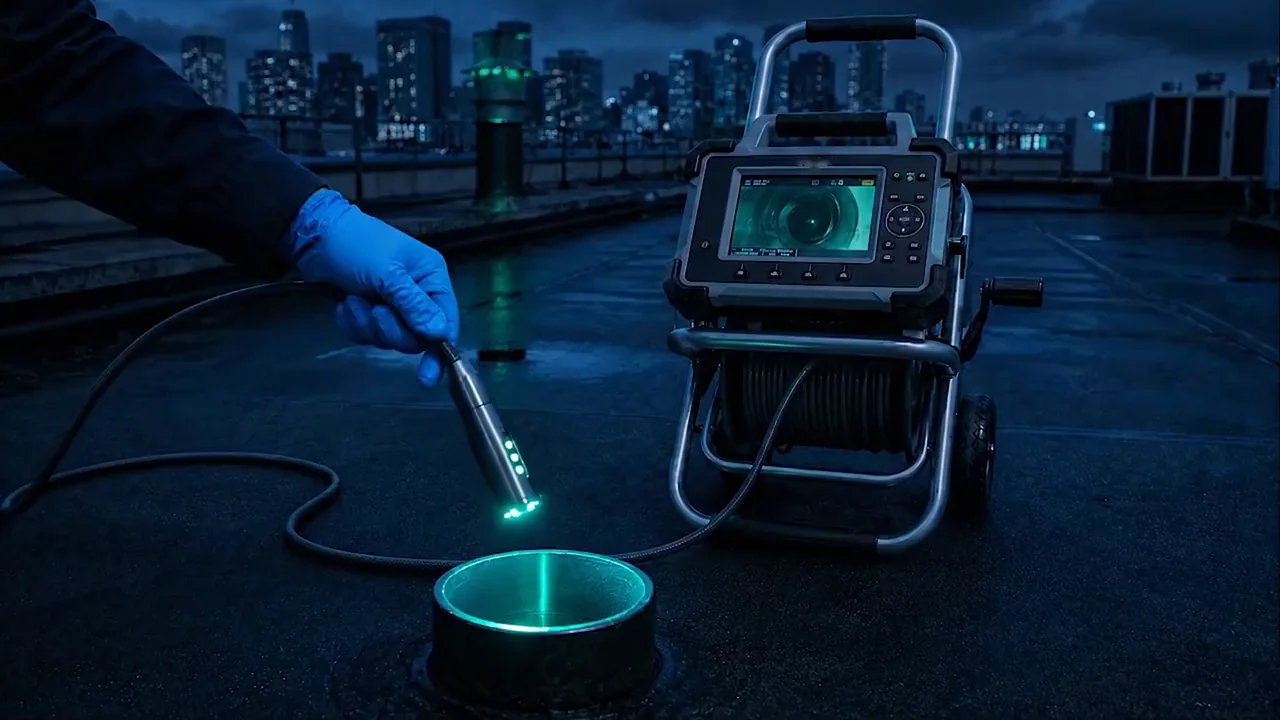
Then we go inside. A camera travels through the system, revealing grease buildup, cracks, rust, and failing joints.
See Diagnostics & Assessment
04/ 05Assessment
Risk Analysis
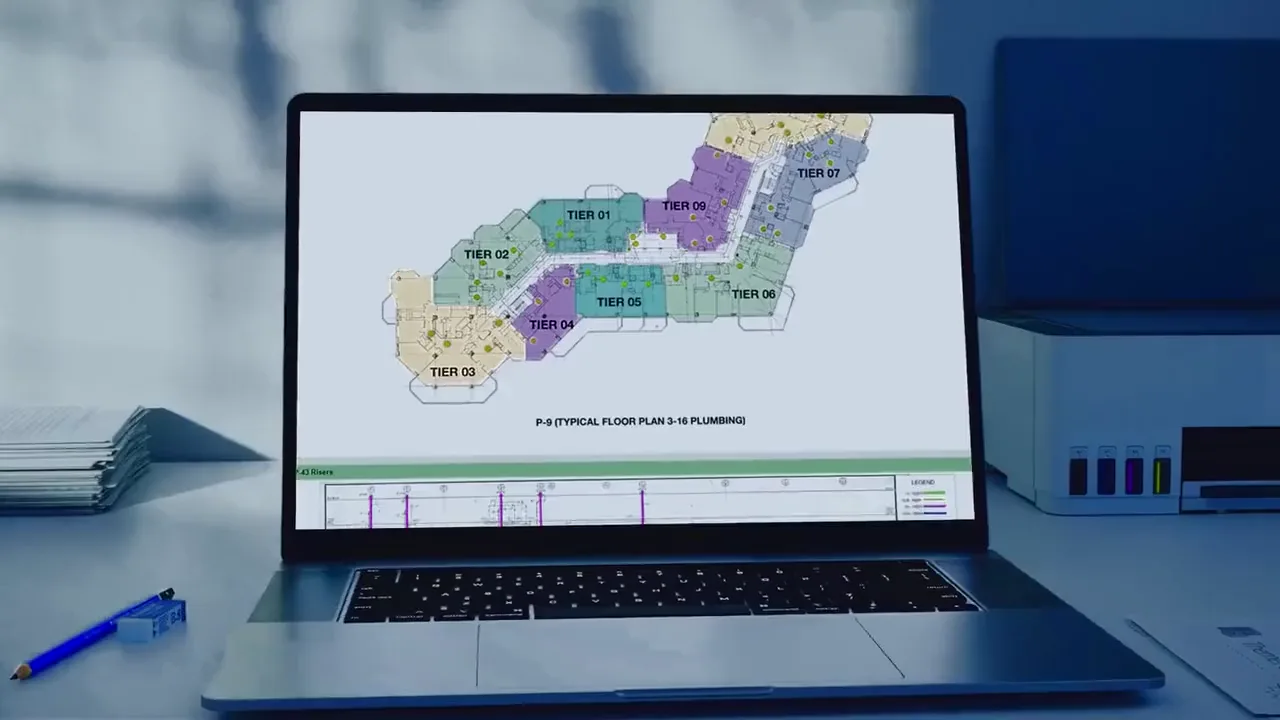
Every pipe section receives a 1-to-5 condition grade, from new to failing. Scores are then weighted by system risk, including cascading-failure exposure in vertical stacks, where a failure in a lower section backs up every floor above it. Most projects also receive expert engineering review by the Dynamic Drain team.
05/ 05Roadmap
Action Plan
Graded, risk-weighted findings become a prioritized action plan, sequenced into multi-year capital budgets so the most critical sections are rehabilitated first.
What you receive
A plan you can budget against
A graded evaluation gives facilities directors a prioritized, multi-year plan they can budget against.
Condition grade
- 1NewPipe condition is free of defects.
- 2GoodNearly free of any defects requiring maintenance or repair.
- 3ModerateMinor to moderate defects; maintenance or repair in the next 3 to 6 years.
- 4PoorModerate to major defects; maintenance and repair in the next 1 to 2 years.
- 5FailingMajor defects; maintenance and repair as soon as possible.
- 01
Graded, documented findings
Every section inspected is graded and documented, giving facility engineers the records their compliance and capital planning require.
- 02
A prioritized action plan
A condition-graded evaluation turns surprise repairs into planned, prioritized capital projects.
- 03
Infrastructure dashboards
A live client portal you log into, connecting pipe condition data to your property grids and updating as work is completed.

What happens next
Start your project
Tell us more about your infrastructure challenges.
- 01Evaluation studyThe system is mapped, inspected by camera, and every section is condition-graded.
- 02Prioritized findingsGrades are weighted by system risk and turned into a plan, most critical sections first.
- 03RehabilitationTrenchless CIPP lining of the sections that matter most, without full pipe replacement. Access requirements are confirmed during the evaluation.