PDF guide
The Owner’s Guide to Trenchless Rehabilitation
What boards, property managers, and facility directors need to know about the pipes they own, before the pipes decide for them.
Download PDF
Guides, FAQs + explainers
Education and guidance on infrastructure rehabilitation, for owners, managers, and specifiers.
PDF guides
PDF guide
What boards, property managers, and facility directors need to know about the pipes they own, before the pipes decide for them.
Download PDFPDF guide
Condition assessment, design, specification, and acceptance of trenchless rehabilitation in occupied buildings.
Download PDFTopic by topic

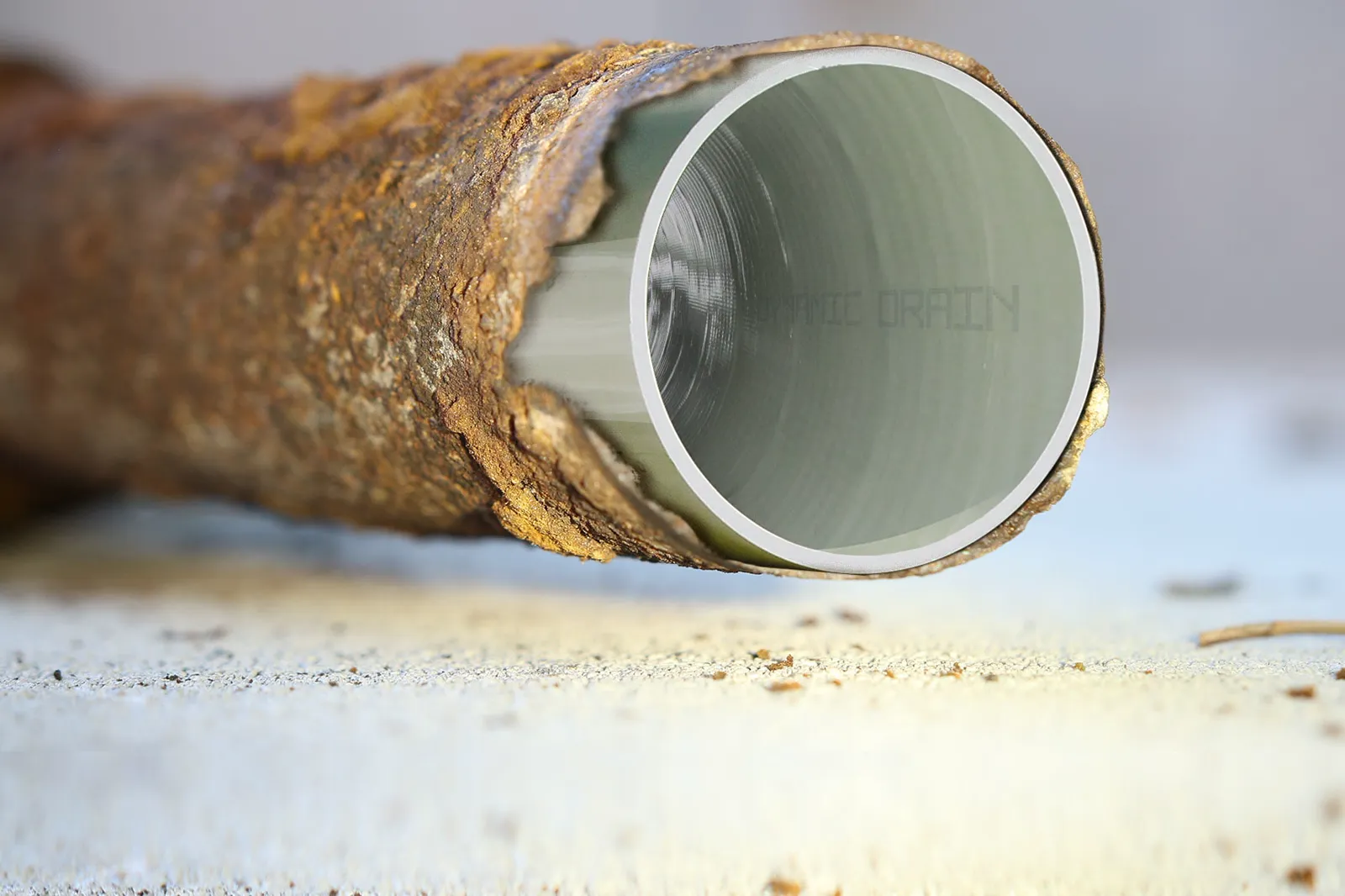
A resin-saturated liner is installed inside the existing pipe and cured in place, forming a new pipe within the old one, without full replacement. Work is performed from existing access points where possible; some projects require small access pits.

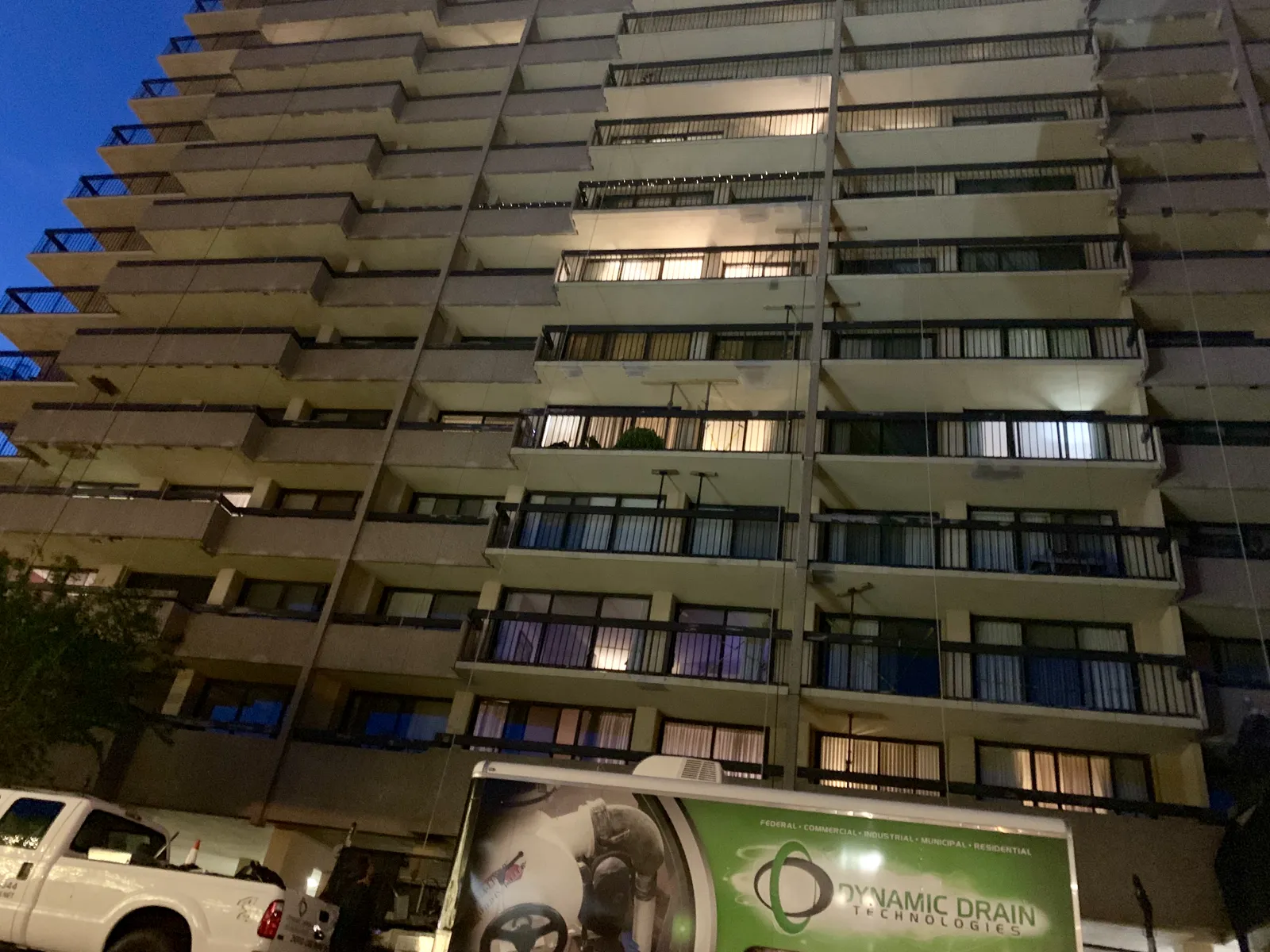
Risers are the vertical pipes that carry water and waste between floors. Because every floor above depends on them, a failure low in the stack affects the whole building.
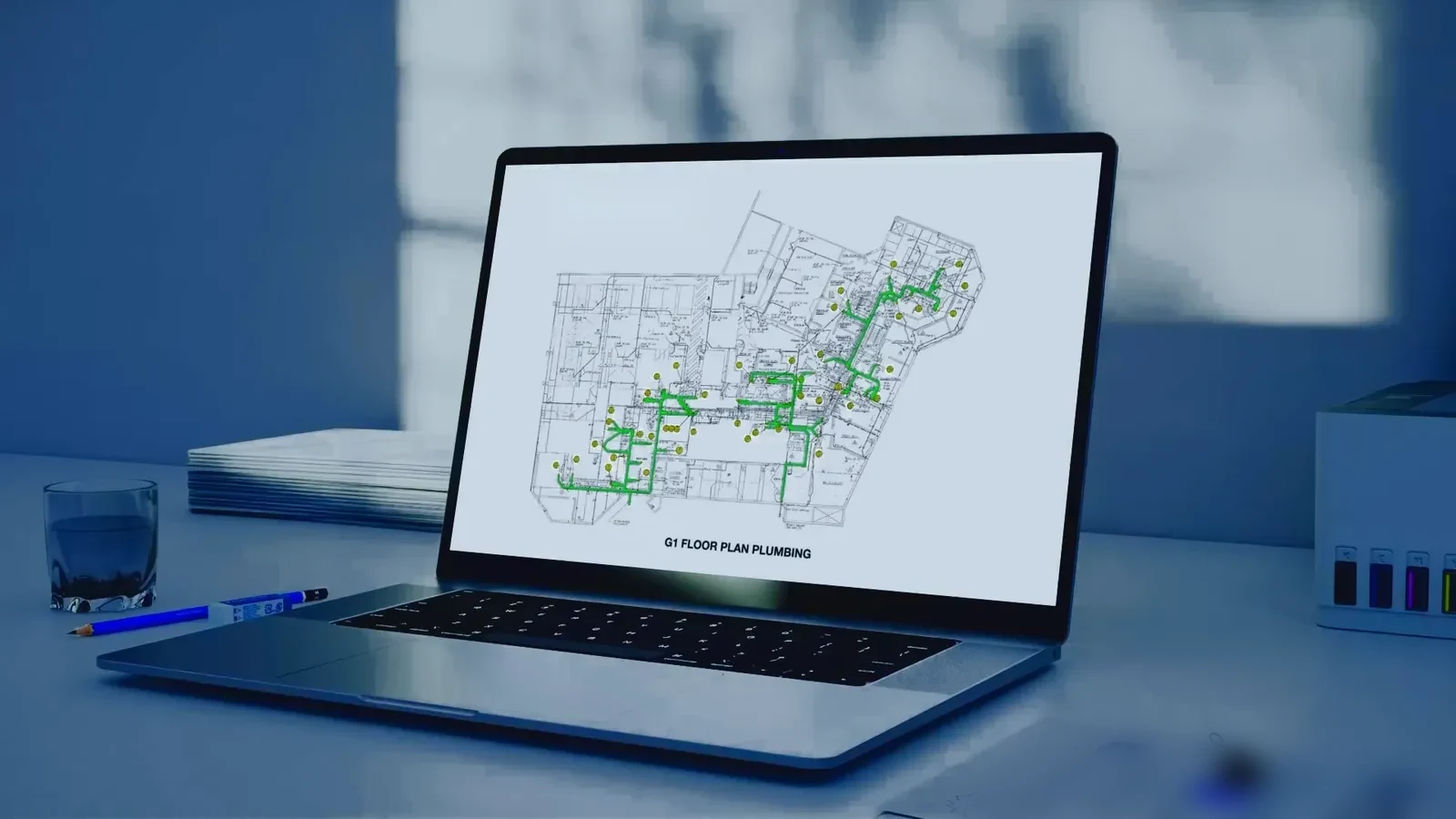
Every pipe section gets a 1-to-5 condition grade, from new to failing, then a risk weight that reflects what a failure there would affect.

Hydro jetting and mechanical cleaning remove grease, scale, and debris so pipes can be inspected accurately and lined properly.

Once a liner cures, robotic cutters reopen each branch connection from inside the pipe, returning the system to full service.
Articles and explainers
Page 1 of 2
Common questions
CIPP liners are engineered for a 50-year design life and backed by a 10-year warranty.
Usually not. Most lining is performed from existing access points like cleanouts, roof vents, and access panels. Some projects require small access pits, and underground runs that connect to a municipal main can require excavation. Scope and access are confirmed during the evaluation, before any work is proposed.
We line pipe from 2 to 84 inches in diameter, in runs from 4 to 1,000 feet.
CIPP rehabilitation typically costs 40 to 75% less than conventional dig-and-replace.
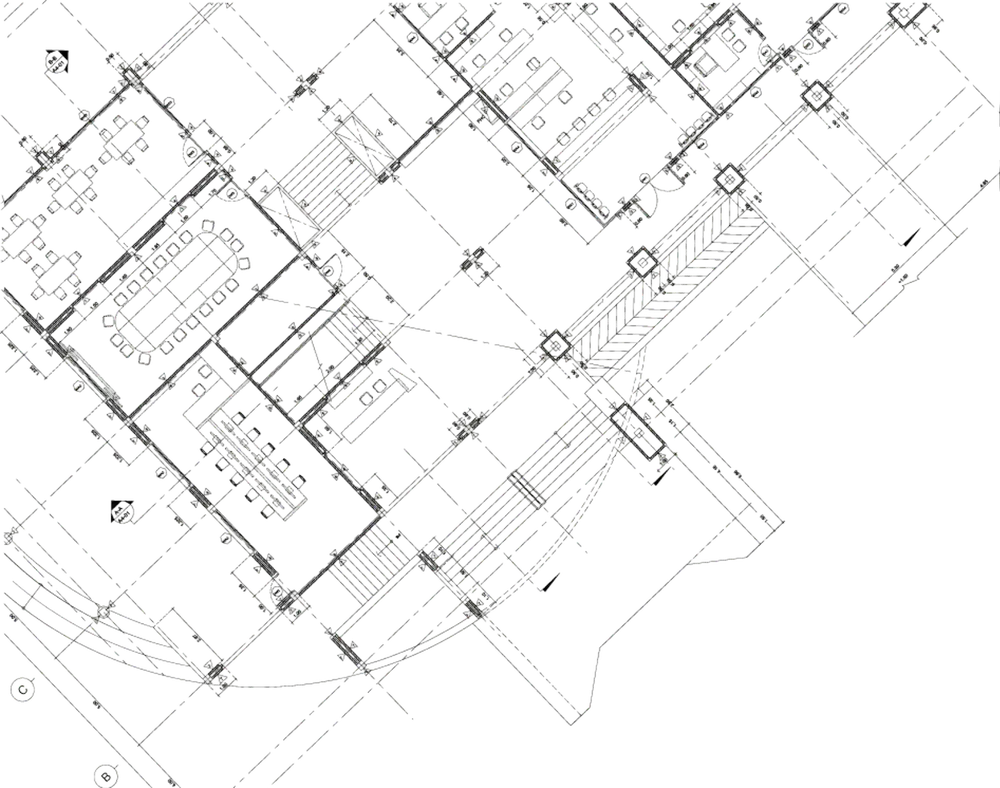
Our evaluation program: the system is mapped, inspected by camera, and every pipe section is graded 1 to 5, weighted by system risk, and turned into a prioritized action plan.
No-dig, or trenchless, pipe repair rehabilitates a failing pipe from the inside instead of excavating and replacing it. The most common method is Cured-in-Place Pipe (CIPP) lining, which forms a new pipe inside the existing one. Most work is done from existing access points. Some projects still need small access pits, which the evaluation identifies before any work is proposed.
Often, yes, or with far less excavation than replacement. Building drain and sewer lines can usually be lined from cleanouts, roof vents, or access panels. Lines with no usable access point may need a small access pit, and connections to a municipal main can require excavation at the street.
Trenchless rehabilitation typically costs 40 to 75 percent less than excavating and replacing the same line, before counting the restoration and disruption it avoids. The evaluation gives you the actual scope and cost for your building.
Tell us more about your infrastructure challenges.