
Industries
Healthcare facilities that never close
Hospitals and medical facilities that have to keep operating while their infrastructure is rehabilitated: 12 completed healthcare facilities.
The challenge
In a hospital, a pipe failure reaches patient care, and the building cannot close for repairs.
12completed healthcare facilities
By the Numbers
- 40–75%less than conventional replacement
- 50 yrliner life, backed by a 10-year warranty
- 2–84 inpipe diameters
- 4–1,000 ftpipe runs
- 286completed projects
- 2008founded
Our experience
What we see in Healthcare
- 01
Facilities That Never Close
Hospitals and medical buildings run around the clock. Rehabilitation from inside the pipe keeps work contained and patient areas open.
- 02
Infection Control
Excavation and open walls create dust and contamination risk in clinical spaces. Trenchless methods keep most of the work inside the pipe.
- 03
Critical Systems
Drain and water failures in clinical areas affect patient care, not just the building. Finding defects early keeps repairs planned instead of urgent.
- 04
Planned Capital
A graded evaluation gives facilities directors a prioritized, multi-year plan they can budget against.
The method
Infrastructure Intelligence
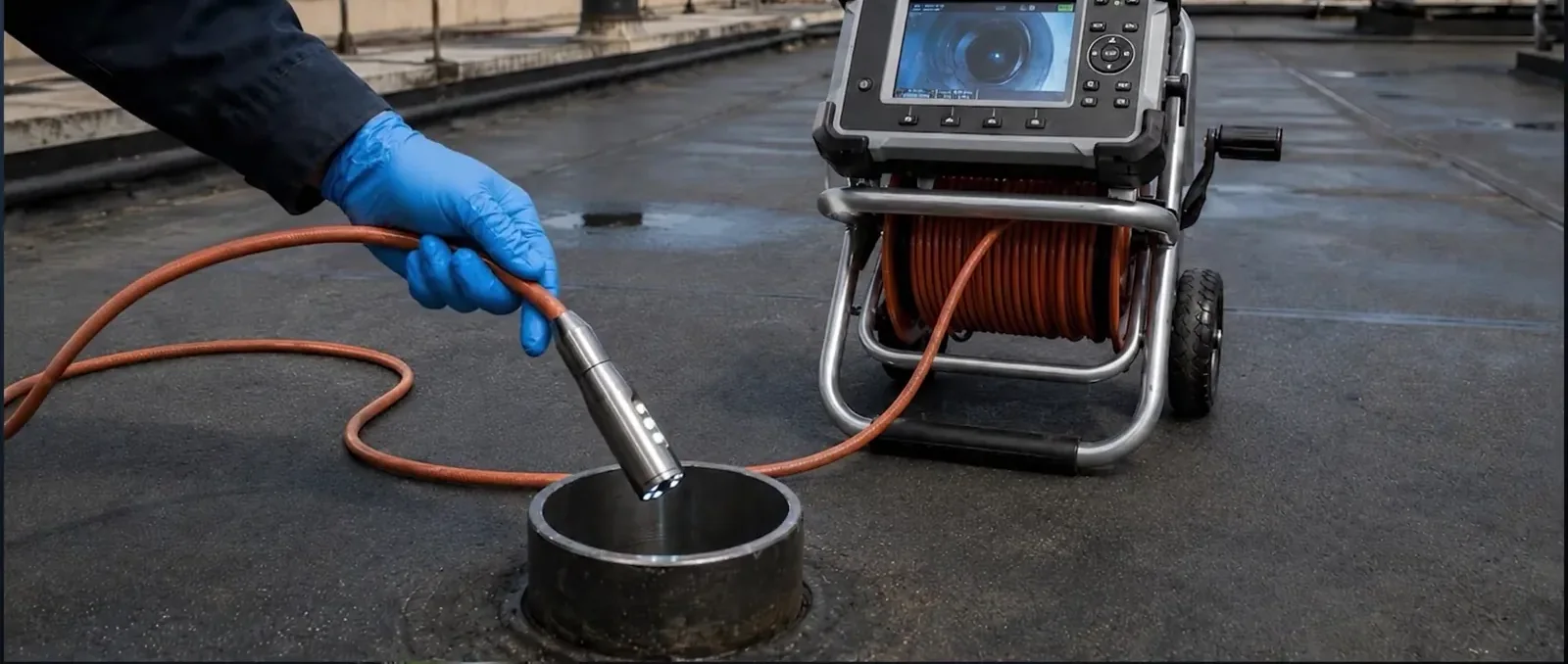
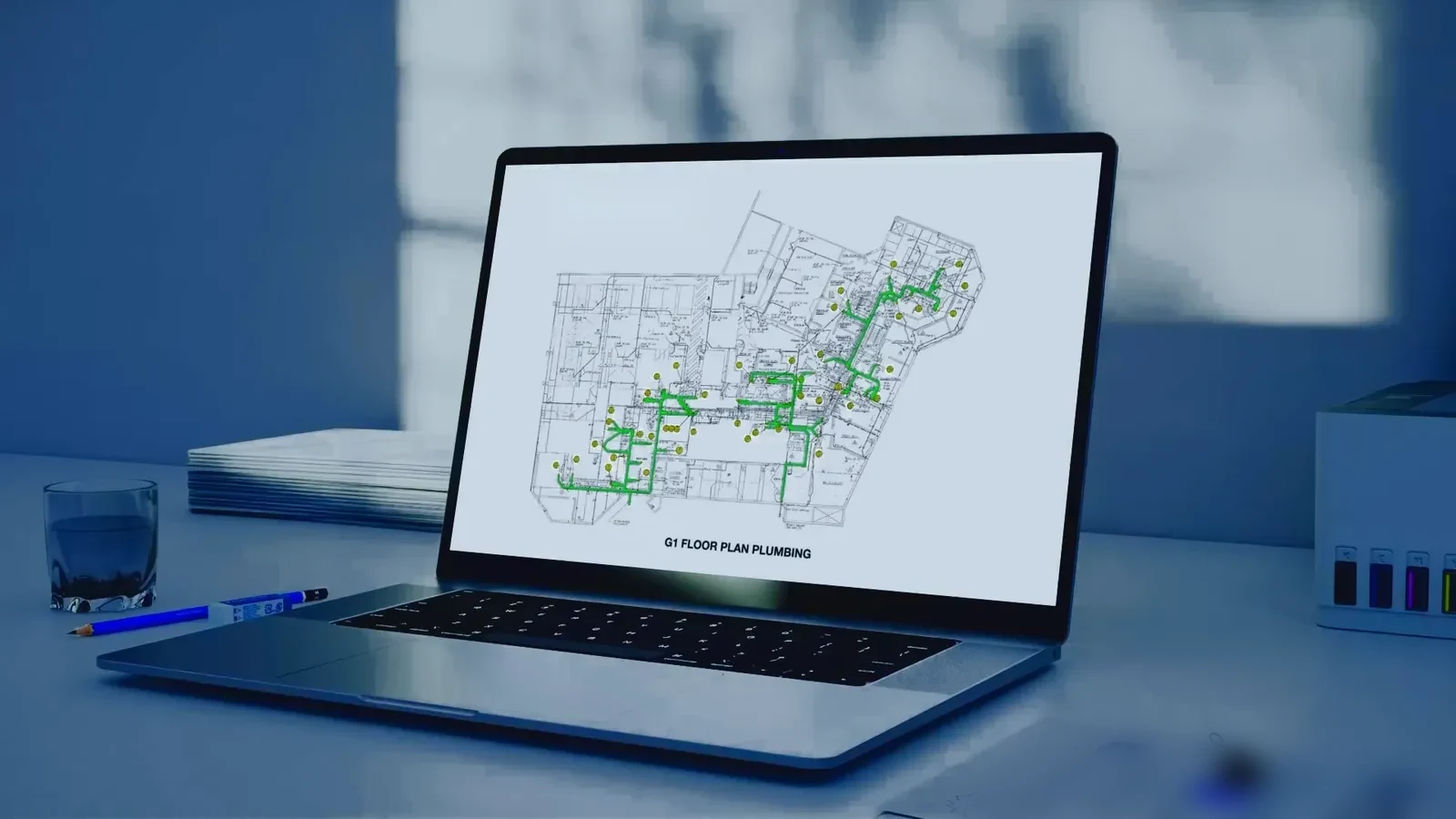
Infrastructure Intelligence finds and grades defects before they reach clinical spaces, so rehabilitation can be planned around patient care and infection-control requirements.
Explore Infrastructure IntelligenceOur crews
In the field



What happens next
Start your project
Tell us more about your infrastructure challenges.
- 01Evaluation studyThe system is mapped, inspected by camera, and every section is condition-graded.
- 02Prioritized findingsGrades are weighted by system risk and turned into a plan, most critical sections first.
- 03RehabilitationTrenchless CIPP lining of the sections that matter most, without full pipe replacement. Access requirements are confirmed during the evaluation.